
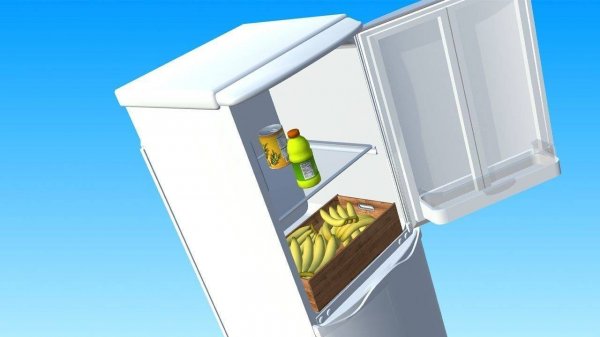
Kitchen Shelf Arrangement Puzzle
Review
Kitchen Shelf Arrangement Puzzle stands out for its stress-free approach to spatial reasoning. The bright, clean graphics make each level inviting, while the gradual difficulty curve keeps players engaged without frustration. Controls are intuitive, and the lack of timers allows for careful planning. It is an excellent choice for casual gamers looking for a relaxing brain teaser that feels productive. The only minor drawback is the limited variety in background themes, but the core gameplay remains solid throughout.
Full story
Core Arrangement Mechanics
At its heart, this game asks players to fit a set of grocery items into a defined space. Each piece has a unique outline, and the container has empty slots that must be filled completely. Success comes from rotating items and trying different placements. The challenge lies in seeing how irregular shapes can combine to fill every gap. There is no penalty for wrong moves, so experimentation is encouraged. This core loop stays satisfying because each puzzle feels like a small, self-contained problem to solve.
Visual Style and Atmosphere
The graphics use clean, cartoon-like illustrations of common kitchen items. Apples, carrots, milk cartons, and cheese wedges are rendered in bright colors against a soft background. The fridge interior has a clean, organized look that makes the goal clear. Animations are smooth but minimal, keeping the focus on the puzzle. The overall mood is calm and inviting, suitable for short breaks or longer sessions. The cheerful art style helps reduce frustration when a level proves tricky.
Difficulty Curve and Progression
Early levels introduce simple shapes and larger spaces, letting players learn the controls. As players advance, the pieces become more irregular and the container space tighter. Later puzzles may require multiple rotations and careful sequencing. The difficulty increases gradually, so players build skills naturally. Each completed level provides a small sense of accomplishment. The progression feels fair, with no sudden jumps that might cause discouragement.
Control and Accessibility
Dragging items from a tray into the main area is the primary action. Tapping or clicking rotates a selected piece. The interface is designed for touchscreens and mouse input alike. No complex menus or tutorials are needed—the game explains itself through play. The lack of timers makes it accessible to younger players and those who prefer a relaxed pace. Visual cues, such as highlighting valid placement areas, help guide new players without overwhelming them.
Strategic Thinking and Planning
While the game is casual, it rewards careful observation. Players often benefit from scanning all available pieces before making a first move. Placing larger items first can create a framework, while smaller pieces fill the remaining gaps. Sometimes rotating a piece reveals a fit that was not obvious. The game encourages a methodical approach rather than speed. Over time, players develop a better eye for spatial relationships, which transfers to other puzzle genres.








Reader Comments
Sign in to comment
You must be logged in before posting a review or rating.
No account? Create one
No comments yet. Be the first to comment!