What players say
The Ferrari 296 GTB Slide Puzzle Game is a well-made puzzle that respects your time. The images are crisp and the sliding action is smooth. Choosing between three grid sizes allows both beginners and experienced puzzle solvers to find a comfortable challenge. The lack of a timer makes it a stress-free activity for short breaks or longer sessions. The three different pictures add visual variety and encourage replay. It is a straightforward, family-safe game that delivers exactly what it promises.
About this game
Game Introduction
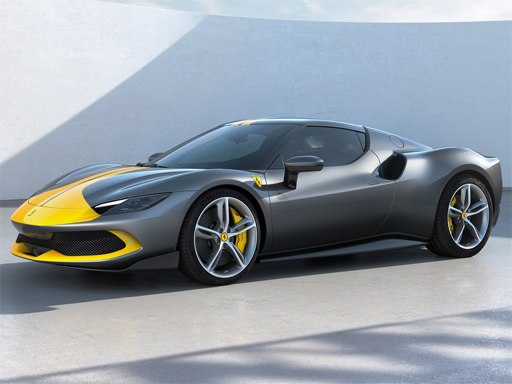
The Ferrari 296 GTB Slide Puzzle Game combines the elegance of a legendary sports car with the timeless appeal of sliding puzzles. Players can enjoy three distinct images of the Ferrari 296 GTB, each highlighting its aerodynamic curves and modern design. The game offers a simple yet engaging way to pass the time while training your visual memory and problem-solving skills. With no timers or pressure, it is suitable for children and adults alike. Whether you are a car fan or just looking for a quiet mental challenge, this puzzle provides a satisfying experience.
How to Play
Start by picking one of the three Ferrari 296 GTB images. Then choose your grid size: 3x3 for an easy puzzle, 4x4 for a medium challenge, or 5x5 for a harder test. The pieces will be shuffled automatically. Your goal is to slide the tiles by clicking or tapping on them, moving them into the empty space until the full picture is restored. There is no time limit, so you can think through each move. The game is intuitive and works on both desktop and mobile devices.
Game Features
Three high-resolution images of the Ferrari 296 GTB. Three difficulty levels: 3x3, 4x4, and 5x5 grids. Simple click or tap sliding mechanics. No time pressure for relaxed play. Works on all modern browsers and devices. Free to play with no downloads required.
Tips for Success
Start with the 3x3 grid to get comfortable with the sliding mechanics. Focus on completing one row or column at a time to build momentum. Take your time—there is no rush, so plan each move carefully. If you get stuck, try working from the edges inward. Practice regularly to improve your visual memory and puzzle-solving speed.