
Toss & Rise Challenge
Review
Toss & Rise Challenge excels at doing one thing well: teaching players to read a ball's trajectory and time their throws with precision. The bright visuals keep the mood light, while the increasing difficulty provides steady motivation. It is perfect for short sessions, offering a calm yet engaging loop that rewards practice without punishing failure. A solid choice for anyone seeking a skill-based break.
Full story
Core Loop & Mechanics
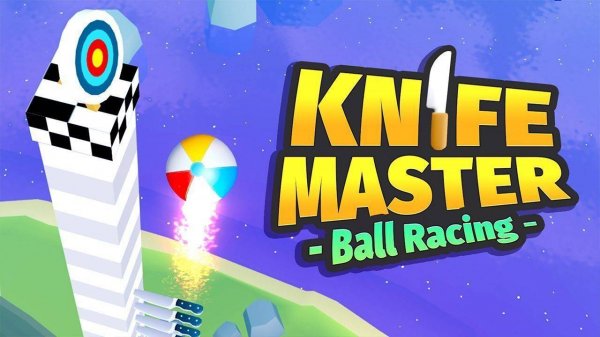
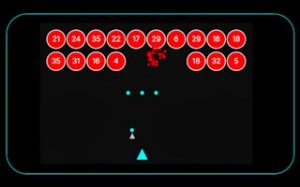
At the heart of Toss & Rise Challenge lies a straightforward objective: use a throwing tool to hit a platform beneath a ball, sending it upward. Each successful contact adds to a running score and pushes the ball to greater heights. The challenge comes from the narrowing timing window as the ball rises, demanding sharper focus with every attempt. This simple loop encourages repeated tries, as players learn to read the ball's arc and adjust their throws accordingly.
Visual Style & Atmosphere
The game presents a bright, cheerful visual palette that keeps the mood light and inviting. Colors pop against clean backgrounds, and the ball's movement is smooth, making it easy to track. This positive aesthetic supports the game's focus on skill rather than competition, creating a space where players can enjoy the process of improvement without pressure. The overall look feels polished and approachable for all ages.
Control Scheme & Accessibility
Controls are minimal, relying on a single tap or click to aim and release the throwing tool. This simplicity makes the game instantly accessible to anyone, regardless of gaming experience. There are no complex menus or multiple buttons to learn. The entire experience centers on one action: timing the release perfectly. This design choice lowers the barrier to entry while still offering depth for those who want to master the mechanic.
Session Design & Replay Value
Toss & Rise Challenge is built for short, satisfying sessions. Each attempt lasts only as long as a player can keep the rally going, making it easy to pick up for a minute or two. This structure suits busy schedules, allowing players to fit in a few tries during a commute or break. The increasing difficulty curve ensures that no two attempts feel exactly the same, as the ball's height and timing demands shift with each successful hit.
Skill Development & Learning Curve
The game rewards patience over speed. Players who rush their throws often miss the narrow window, while those who observe the ball's rhythm tend to improve steadily. Each miss provides immediate feedback, teaching the player to adjust their timing. Over time, regular practice builds hand-eye coordination and a sense of anticipation. The learning curve is gentle but offers long-term growth, as even experienced players can find new ways to refine their accuracy.









Reader Comments
Sign in to comment
You must be logged in before posting a review or rating.
No account? Create one
No comments yet. Be the first to comment!