
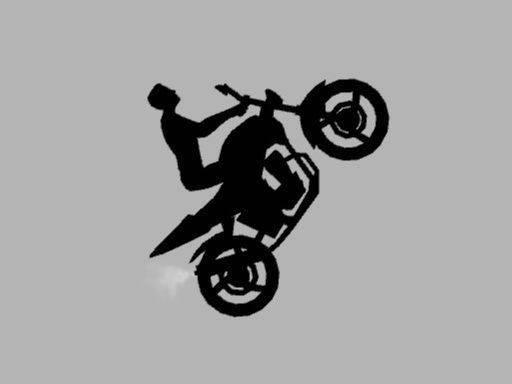
Equilibrium Bike Precision Challenge
Review
This game stands out by making balance the primary mechanic, turning each track into a thoughtful puzzle. The simple controls are easy to learn, but the later levels demand real skill and patience. The two difficulty modes provide a good ramp, and the high-score system adds replay value. It is a refreshing, non-violent option for families or anyone looking for a slower-paced challenge that still feels rewarding to master.
Full story
Core Balancing Mechanic
Instead of racing against opponents, the main challenge here is staying upright. The rider must be tilted forward or backward to counteract the slopes and curves of each track. This creates a constant, gentle tension as players learn to read the terrain and make small adjustments. Success depends on smooth, controlled inputs rather than frantic button presses.
Track Layout & Obstacles
Each course presents a new set of physical puzzles. Ramps, narrow bridges, and sudden drops require careful planning. The rider cannot simply speed through; each section must be approached with a strategy for maintaining balance. As players progress, the tracks become more complex, introducing tighter turns and more dramatic elevation changes.
Progression & Difficulty Curve
The game offers two distinct modes, each with its own set of levels. Beginners can start with a more forgiving setting that allows for minor mistakes. The advanced mode demands near-perfect control, with narrower paths and trickier obstacles. This structure ensures that players can build their skills gradually without feeling overwhelmed.
Scoring & Replay Value
Performance is measured by the distance covered and the smoothness of the ride. A high-score system tracks the best run on each level, giving players a reason to return and refine their technique. Beating a personal record often requires learning a more efficient path or making fewer corrections, adding a layer of strategy to each attempt.
Accessible Controls for All Ages
The control scheme is intentionally simple. Players use either keyboard keys or touch gestures to lean the rider. This low barrier to entry makes the game easy to pick up for younger or less experienced players. However, the precision required to master the later levels provides a satisfying challenge for dedicated gamers.
Building Coordination Through Play
Regular practice naturally improves hand-eye coordination and reaction time. The game rewards patience and a steady hand, teaching players to anticipate problems rather than react to them. This focus on deliberate, careful movement makes it a constructive and relaxing experience, quite different from the high-speed chaos of typical racing games.
Reader Comments
Sign in to comment
You must be logged in before posting a review or rating.
No account? Create one
No comments yet. Be the first to comment!