
Puzzle Fold: Shape Alignment
Review
Puzzle Fold: Shape Alignment stands out by replacing loose jigsaw pieces with connected segments that rotate together. This simple twist creates genuinely engaging spatial puzzles. The clean visuals and absence of timers make it a stress-free experience. Difficulty ramps up nicely, rewarding patience and observation. A solid choice for puzzle fans seeking something different.
Full story
Core Gameplay Concept
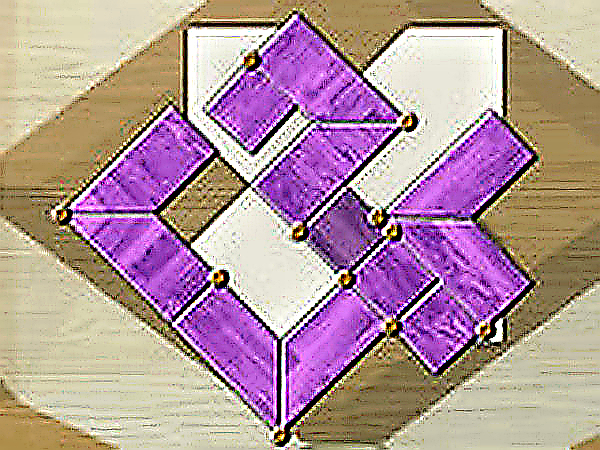
In Puzzle Fold: Shape Alignment, players are presented with a target shape on screen. The puzzle consists of several interlinked segments, each attached to a central rotation point. The objective is to tap or click on these segments to rotate them around their pivot until the entire assembly matches the target outline. This core mechanic replaces the traditional jigsaw approach of fitting separate pieces together, creating a unique spatial challenge.
Learning Curve and Progression
The early stages introduce the rotation mechanic with simple, two-segment puzzles that clearly demonstrate how movement affects the overall form. As players advance, puzzles incorporate more segments and less obvious connections, requiring careful observation of how each piece influences its neighbors. The difficulty increases gradually, ensuring that players build their spatial reasoning skills step by step without feeling overwhelmed.
Visual Design and User Interface
The interface is kept minimal and distraction-free. Shapes are rendered with clean lines and subtle color coding that hints at which segments are connected. The background remains neutral, allowing players to focus entirely on the puzzle. Controls are responsive and require only a single tap or click per rotation, making the game accessible on both touchscreens and desktop environments.
Pacing and Player Comfort
There are no timers or scoring systems that pressure the player. Each puzzle can be attempted at any pace, and there is no penalty for incorrect rotations. This design choice emphasizes relaxation and thoughtful problem-solving over speed. Players can step away and return later without losing progress, making it suitable for short breaks or extended sessions.
Strategic Thinking Elements
While the mechanics are straightforward, later puzzles demand planning. Players must consider the order of rotations because moving one segment can affect the alignment of others. Visual hints are available but subtle, encouraging independent discovery. This layer of strategy adds depth without complicating the core interaction, appealing to both casual players and puzzle enthusiasts.

Reader Comments
Sign in to comment
You must be logged in before posting a review or rating.
No account? Create one
No comments yet. Be the first to comment!